Extraction of Tuna:
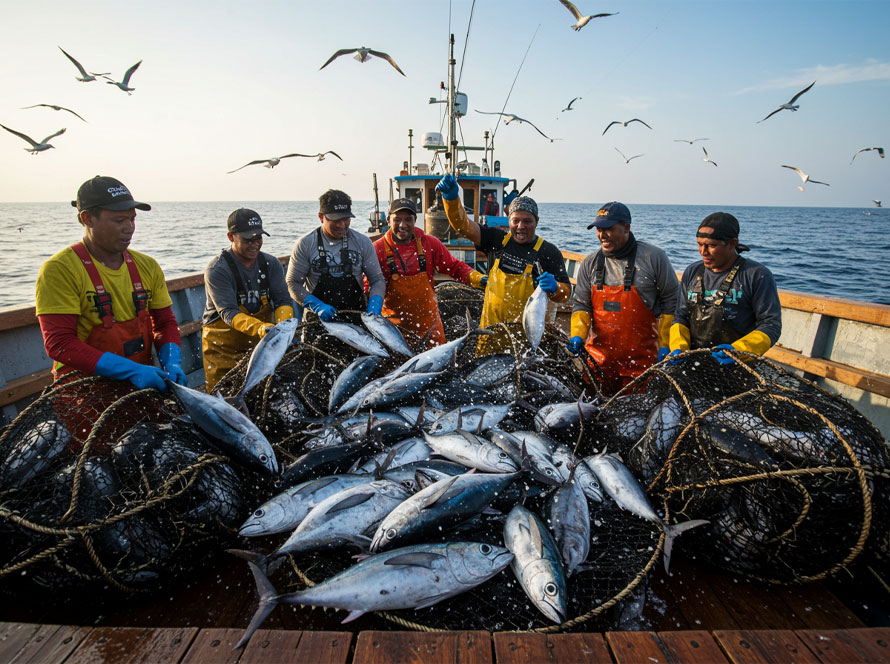
Typically, purse seining and longlining are used to catch tuna. These techniques guarantee that the fish is taken ethically. Before being processed, the tuna is promptly frozen after capture to preserve its freshness. Tuna is handled carefully to maintain its quality and nutritional content whether it is marketed fresh, frozen, or canned.
Benefits of Tuna:
Omega-3 fatty acids, lean protein, and vital vitamins B12 and D are all abundant in tuna. Regular tuna consumption can promote muscle growth, enhance mental function, and strengthen the heart. It is an excellent option for anyone trying to maintain a healthy weight because of its low-calorie content.
The Most Repeated Question Is How to Eat Tuna?
There are several ways to enjoy tuna. It can be tossed in a salad, seared like a steak, or eaten raw as sushi or sashimi. Because of its versatility, canned tuna can be used in pasta meals, sandwiches, or as a quick snack when combined with mayo.
A tasty and healthy addition to any meal is tuna.
ِAt The End:
Anyone Need Tuna, Man/Woman, Child And Also Athlete, Eat Tuna As You Want.
Advice:
Don’t Exceed In Eating Tuna, Eat It 3 Or 4 Times/Week because of mercury harms.
Tuna Generation
Introduction:
For generations, tuna has been an essential part of diets all across the world due to its popularity and nutritional value. Well-known for its high protein content and deep flavor, tuna is a great source of vital nutrients. What is tuna, though, and how is it extracted and what are the benefits?
Tuna Types:
There Are 2 Main Types Of Tuna
Skipjack tuna is the most commonly used species in canned tuna products due to its smaller size, lower fat content, and slightly stronger flavor compared to Yellowfin tuna.
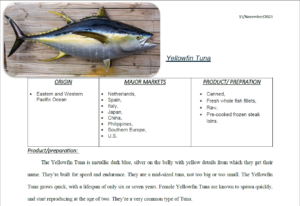
Because of its strong, lean flesh and somewhat softer flavor, yellowfin tuna is highly valued.