Everything You Need to Know About Skipjack Tuna
For generations, tuna has been a staple in diets around the world due to its popularity and impressive nutritional value. Known for its rich flavor and high protein content, tuna is a great source of essential nutrients. But what are the different types of tuna, how are they harvested, and what are their health benefits?
Types of Tuna
There are two main types commonly found in the market:
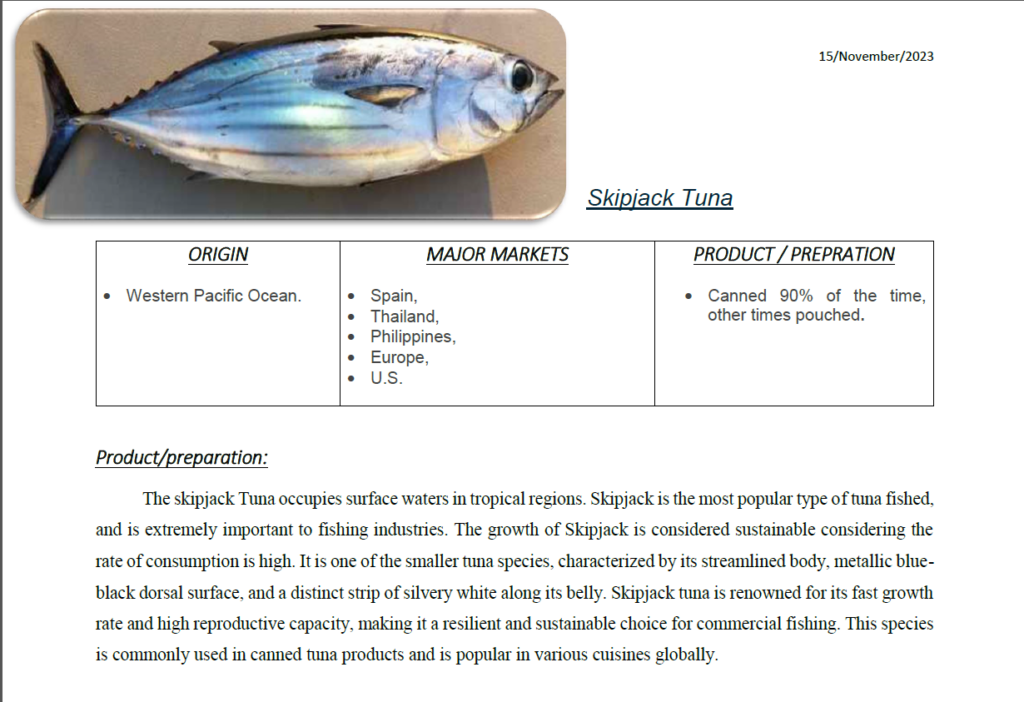
Skipjack Tuna: This is the most commonly used type in canned tuna products. It’s smaller in size, lower in fat, and has a slightly stronger flavor compared to yellowfin tuna.
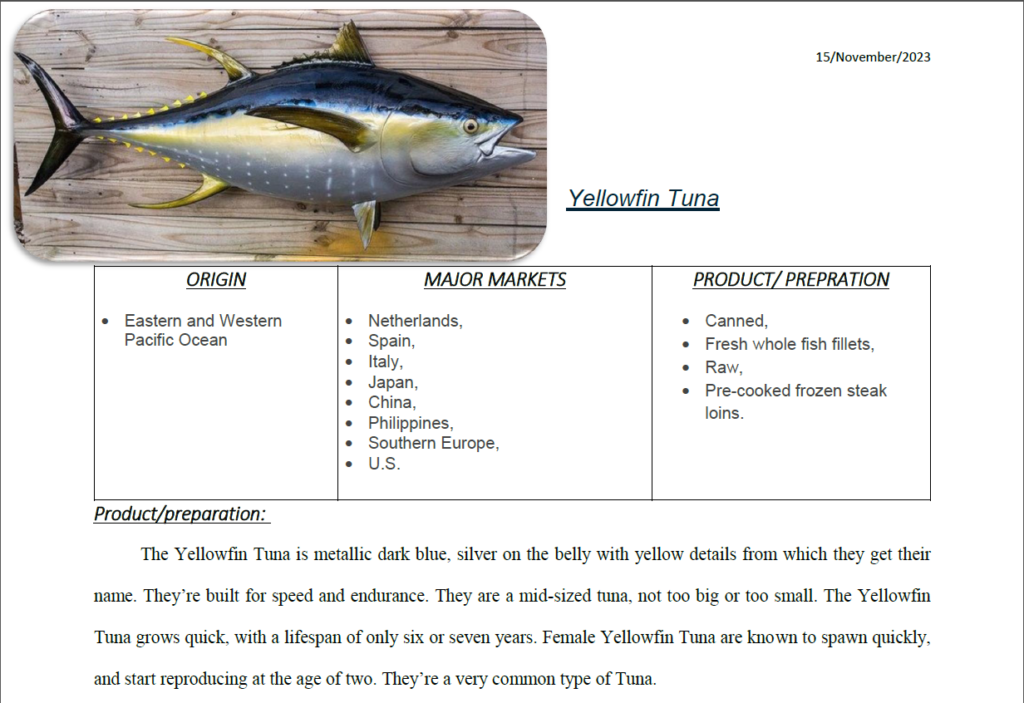
Yellowfin Tuna: Highly valued for its firm, lean meat and milder flavor, yellowfin is often preferred in gourmet dishes and sashimi.
How Tuna is Caught
Tuna is typically harvested using purse seine nets or longline fishing methods, which are considered ethical and sustainable when done properly. To preserve freshness, the fish are flash-frozen immediately after being caught. Whether sold fresh, frozen, or canned, tuna is handled with care to maintain its quality and nutritional value.
Health Benefits of Tuna
Tuna is rich in:
Omega-3 fatty acids
Lean protein
Vitamin B12
Vitamin D
Regular consumption of tuna can help:
Promote muscle growth
Support cognitive function
Improve heart health
Aid in maintaining a healthy weight due to its low calorie content
Common Question: How Do You Eat Tuna?
There are many delicious ways to enjoy tuna:
Add it to salads
Grill it like a steak
Enjoy it raw in sushi or sashimi
Use canned tuna in pasta dishes, sandwiches, or quick snacks mixed with mayonnaise
Its versatility makes tuna a healthy and tasty addition to any meal.
Final Note
Whether you’re a man, woman, child, or athlete — tuna can be a great choice. However, it’s recommended to limit tuna consumption to 3–4 times per week to avoid excessive mercury intake.